
When It Seems Like Everyone Else Has a Plan (and You Don’t)
May 12, 2026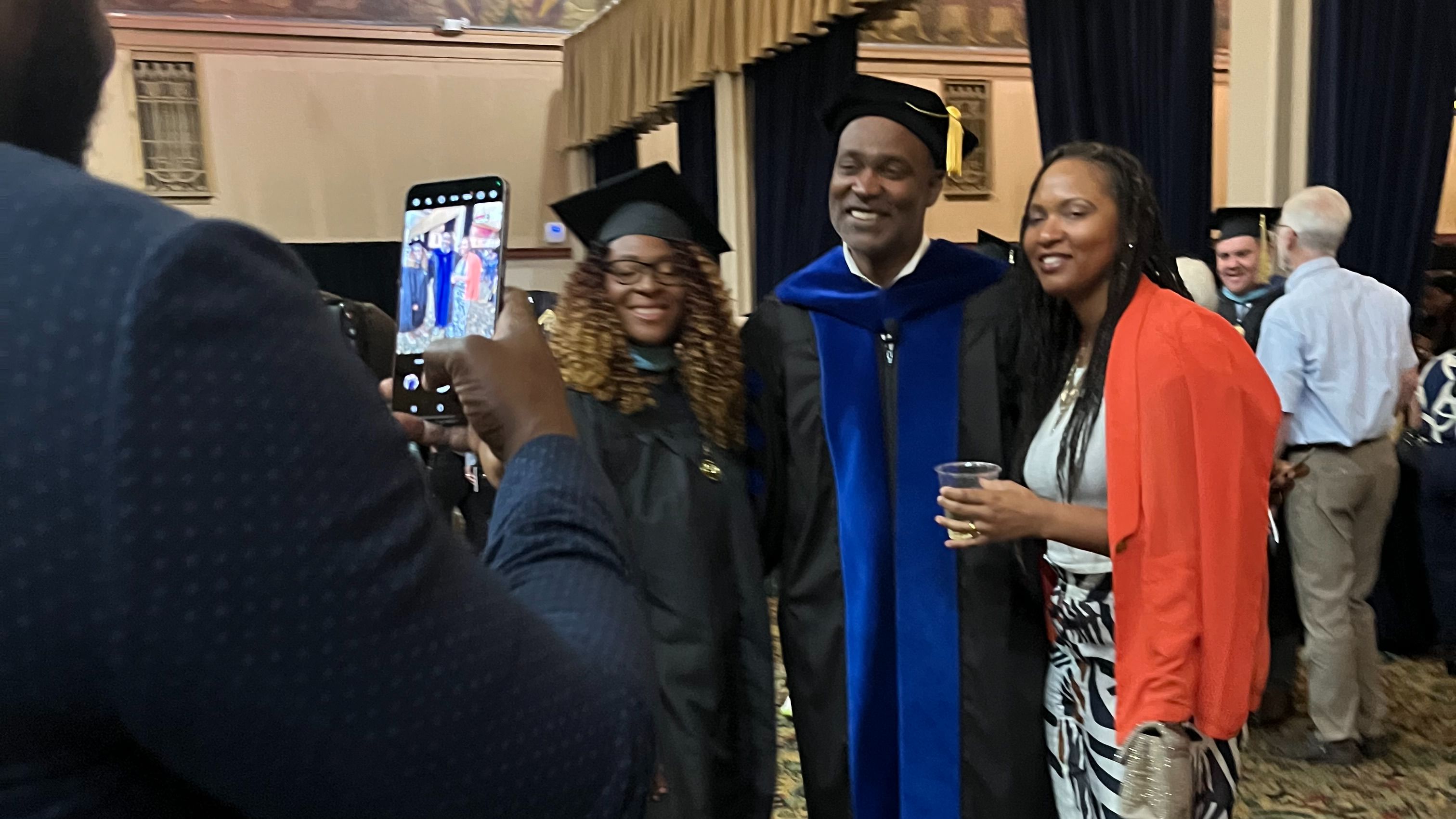
May is supposed to feel like a movie montage: caps flying through the air; proud parents crying into their iPhone cameras; and, inspirational speeches. LinkedIn posts are announcing dream jobs with captions like: “Excited to announce…”
Meanwhile, somewhere else, a graduate is lying in bed at 1:42 a.m. eating leftover pizza and wondering if refreshing Indeed counts as cardio.
Welcome to graduation season.
Spring is a season of blooming, renewal and new beginnings; but for many graduates, it also feels like standing in the middle of an airport with no departures listed beside your name. One chapter closes. Another is supposed to begin; and when it doesn’t happen immediately, panic starts to creep in.
It feels like everyone else has a plan.
Let me tell you: They don’t; or at least, not nearly as much as Instagram would have you believe.
The truth is: This generation is entering a workforce that feels fundamentally different than even five years ago. AI is reshaping entry-level jobs. Hiring timelines are longer. It often seems that companies want ‘entry-level candidates’ with three years of experience and six certifications.
Recent research shows that while 82% of students expected to have a full-time job within three months of graduation, only 77% actually did. Labor market reports suggest the average job search now takes closer to six months.
That’s a long time when your relatives keep asking, “So, what’s next?”
Here’s the other thing no one tells you: Even when people do land the first job, many of them don’t stay there long. Research presented through NACE reported that more than 55% of recent graduates leave their first job within the first year.
Think about that for a second--more than half--which means your first job is probably less like a marriage and more like a starter apartment with questionable plumbing.
That’s okay because your first move does not need to be perfect. It just needs to be a move.
Momentum Matters More Than Precision
One of the biggest mistakes young professionals make is believing they need absolute clarity before they begin.
You don’t.
Clarity usually comes after movement, not before it.Your first job is not a life sentence. It’s information gathering. Pick a direction. Commit to learning. Give yourself a year or 18 months. Observe what energizes you and what drains you. Learn how organizations work. Learn how meetings work. Learn which people inspire you and which people make you suddenly interested in becoming a wilderness canoe guide with no Wi-Fi.
Every experience teaches you something. Momentum creates confidence. Stillness creates anxiety.
Research from Columbia University and the National Bureau of Economic Research found that early work experiences and the quality of a graduate’s first role can significantly influence long-term career earnings and confidence.
That sounds intimidating until you realize something important: No first job teaches you everything, but every first job teaches you something.
Use Your Network — But Stop Asking for Jobs
One of the smartest career strategies is also one of the least used: Ask for insight, not employment. People are surprisingly willing to help when they don’t feel cornered into hiring you.
Start with your existing circle:
- Parents
- Professors
- Coaches
- Former supervisors
- Friends’ parents
- Alumni
- That one neighbour who somehow always ‘knows a guy’
Don’t just chase CEOs or Founders. Talk to people two or three steps ahead of you — the coordinator, the manager, the young analyst. They remember the awkwardness of breaking in.
Ask questions like:
- What actually helped you get hired?
- What skill mattered more than you expected?
- What do people misunderstand about this industry?
- What would you do differently if you were graduating today?
Then here’s the important part: Act on their advice.
Nothing kills mentorship faster than someone asking for guidance and then ignoring all of it.
Stack Skills Like Lego Blocks
Sometimes graduates panic because their degree feels ‘too broad.’ In a changing world, flexibility matters. The future belongs to people who can combine skills:
- Finance + analytics
- Marketing + AI literacy
- Communications + public speaking
- Business + storytelling
- Any profession + emotional intelligence
Let me say this as someone who has worked with elite athletes, CEOs and high performers: The ability to communicate clearly is still wildly undervalued.
If you can write well, speak confidently, listen actively and make people feel understood, you immediately separate yourself from a huge percentage of the workforce.
Especially now.
AI may replace some tasks, but it still struggles to replace trust, empathy, leadership, humour, presence and judgment.
Treat Job Searching Like a Job
This part matters more than most people realize. If you’re in a job search, create structure.
Get up early.
Get dressed.
Leave the bedroom.
Build a routine.
Apply intentionally instead of randomly firing résumés into the internet abyss like confetti cannons at a hockey game. Research organizations. Tailor applications. Practice interviews. Follow up thoughtfully.
Then do something productive beyond applying:
- Volunteer.
- Take a course.
- Build a portfolio project.
- Help someone else.
- Learn AI tools.
- Improve your writing.
- Improve your fitness.
Movement changes mood. Action reduces anxiety. The people who keep moving usually find openings faster than the people who sit frozen waiting for certainty.
The Beginning Is Supposed to Feel Uncomfortable
This is the part graduates often misunderstand. You are not failing because you feel uncertain. You feel uncertain because you are beginning.
Those are different things.
Most successful people can look back and point to a season where they felt lost, overwhelmed, underqualified or behind. The difference is they kept taking small steps anyway, and eventually those small steps compounded.
A mentor introduces them to someone.
A temporary role becomes permanent.
A side project becomes a career path.
A disappointing experience reveals what they truly want.
Very few careers unfold in straight lines anymore.
Mine certainly didn’t.
The beginning often feels messy while you are inside it. Only later does it start to look like a plan. So, if you are graduating and feeling anxious because everyone else appears more certain than you are, remember this:
Some people are ahead.
Some people are pretending.
Most people are improvising.
You are not behind.
You are learning.
#YOUGOTTHIS
Author

