
The Relationships We Build May Be the Most Important Work We Do
Oct 06, 2026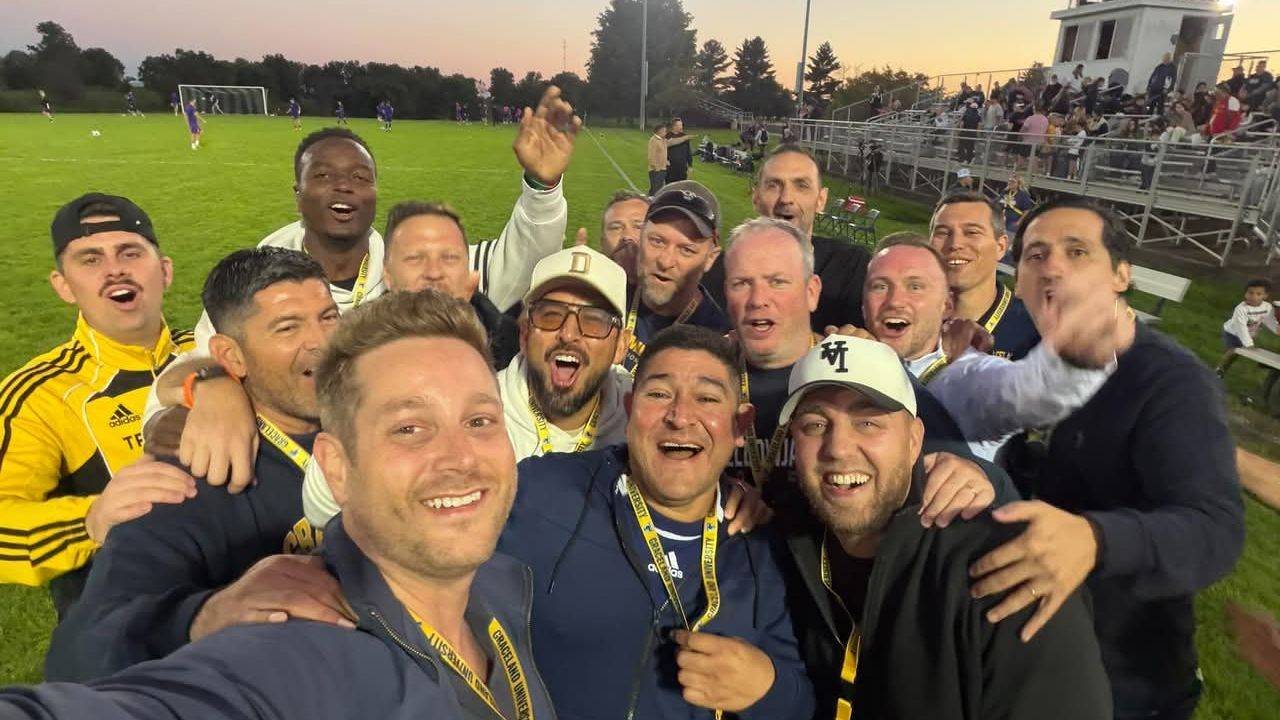
This past weekend, I opened a memory that had been sitting in the bank for 20 years.
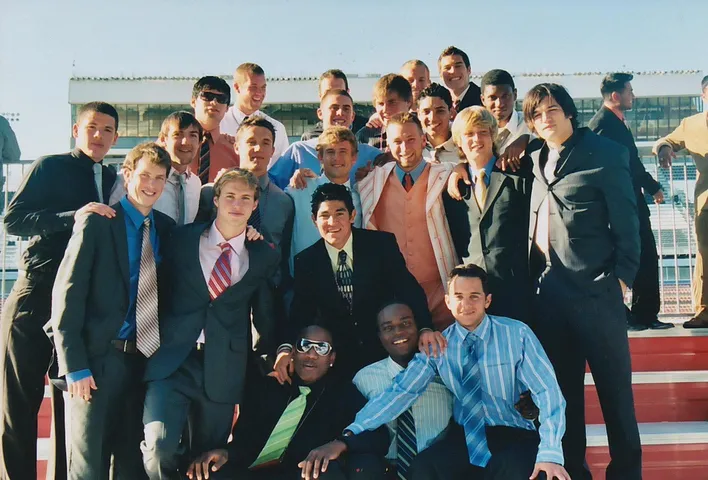
In 2006, I coached a group of young men who won a national soccer championship. This weekend, that team returned to Graceland University to be inducted into the Hall of Fame.
The championship rings came out. The old stories got better with age. There were hugs, speeches, photographs and more than a few arguments about who was actually responsible for a particular goal or tackle 20 years ago.
It was also Homecoming weekend. Our current team was playing a nationally ranked opponent under the lights.
We lost; and strangely, it barely registered.
Typically, when I lose a game I am a miserable son of a b@#$%. I hate losing, and it takes me a while to get over it. It’s a personality flaw, and I am working on it.
Winning really matters to me.
This time, though, the loss barely registered because something bigger was happening. Twenty years later, my former student-athletes weren't soccer players anymore--they were fathers and husbands; firefighters and engineers; coaches, real estate professionals and entrepreneurs. They had built careers, families, and lives. They had experienced success and disappointment; births and deaths; promotions and setbacks.
They came.
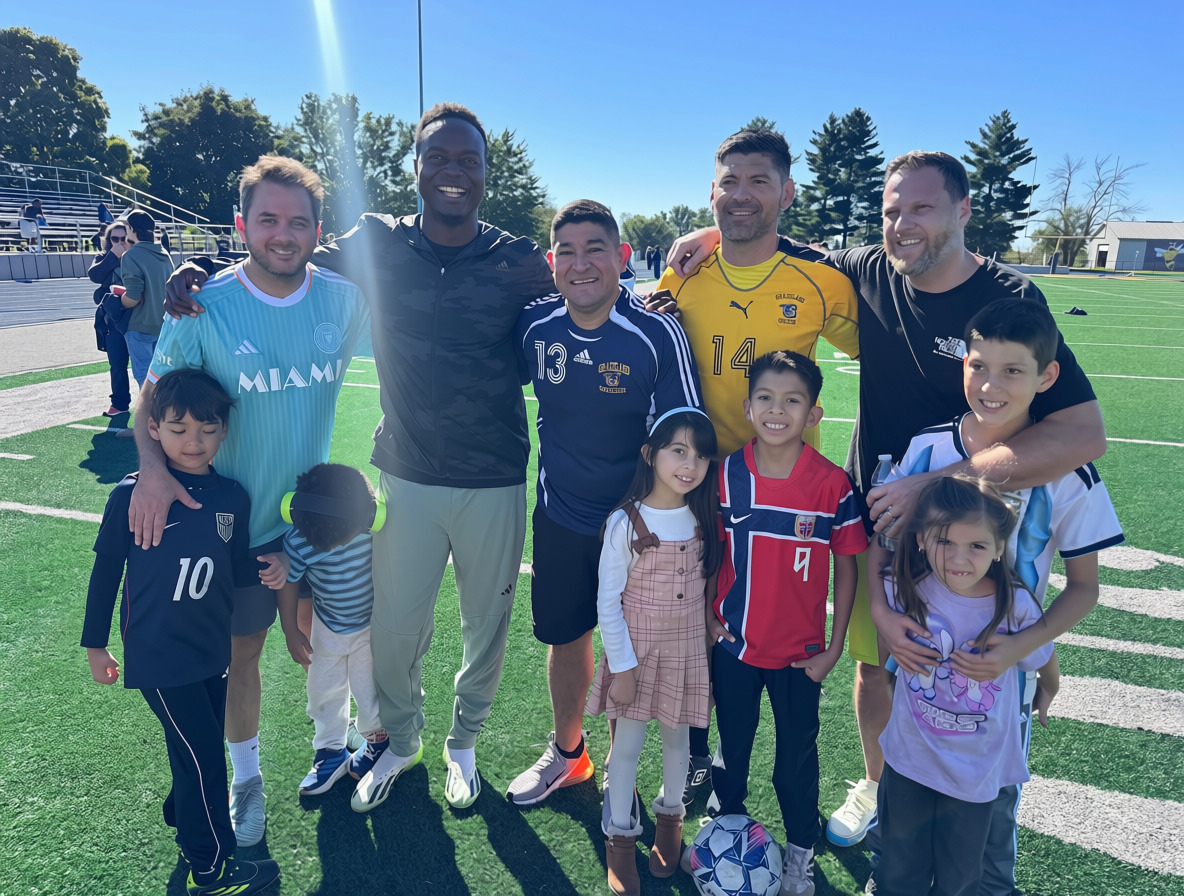
They travelled at great expense from other continents, distant countries, and states from coast to coast to stand beside one another again.
The championship brought them together.
The relationships brought them back.
We Spend a Lot of Time Measuring the Wrong Things
Leadership has a measurement problem. Organizations are very good at measuring outcomes: revenue, market share, wins, productivity, retention, quarterly performance.
Those things matter.
But I wonder whether we spend enough time measuring what remains after the outcome has disappeared.
Twenty years after that championship, nobody could remember our possession percentage.
Nobody asked me about our tactical formation.
Nobody cared about our training load from October 2006.
They remembered people.
They remembered the bus rides. The jokes. The good natured teasing. The occasional insult…yes, Iasi did have the touch of a “pregnant goat." The practices when they thought I had lost my mind. The teammates who picked them up when they were struggling.
That weekend reminded me of something I've learned repeatedly over my career:
Achievement creates moments. Relationships give those moments meaning.
There is surprisingly powerful science behind that idea.
The Science of Savoring
Psychologists use the word savoring to describe our capacity to notice, appreciate and extend positive experiences.
It is different from simply being happy.
Savoring is intentional.
We revisit the story. We look at the photograph. We tell the joke again. We call the old friend. We allow ourselves to experience a positive moment not only while it is occurring, but again through memory and reflection.
That is essentially what 20 former soccer players did this weekend.
Research suggests it matters.
In one study, researchers asked older adults to intentionally savor positive experiences for just a few minutes each day. Participants who consistently practiced the intervention subsequently reported improvements in resilience and happiness, and reduced depressive symptoms.
Other experimental research has found that savoring a positive experience after a stressful social situation can restore positive emotion — precisely when our emotional resources have been depleted.
Think about the implications.
Used intentionally, positive memories can become resources.
They remind us that the difficult moment we are experiencing isn't the entirety of our story. We've been here before. We've struggled before. We've belonged before. We've succeeded before, and perhaps most importantly:
We haven't always done it alone.
Relationships are a Performance Strategy
Relationships are sometimes treated in organizations as the soft stuff. The research tells a very different story.
Imagine two high-performing employees experiencing exactly the same difficult quarter.
One experiences the setback essentially alone. Their relationship with their manager is transactional. Their colleagues are competitors. Their identity has become tied almost entirely to their performance.
The other belongs to a team where people know one another. Their manager checks in before checking the numbers. Colleagues celebrate wins together and help one another through losses. There is trust built from hundreds of seemingly insignificant interactions.
Then comes the angry customer or the lost account; the missed promotion or the presentation that bombs.
Both employees experience the same setback, but they don't necessarily experience the same psychological resources for recovering from it.
That is why belonging isn't the opposite of high performance. Belonging can help make sustained high performance possible.
Great cultures pursue excellence while simultaneously building relationships strong enough to survive failure.
Twenty years later, I watched a group of former athletes embrace one another as if they had left the locker room yesterday. Even more surprisingly, the coaches, parents, athletic trainer, sports information director and the athletic director from that special time also came and embraced each other and the team. It was everybody's win--everyone's contribution mattered. The glory was contagious then, and the savoring was contagious now.
That's when it occurred to me:
Maybe the championship wasn't the greatest thing we built together after all.
Author

